


The best project management methodologies provide a clear structure and streamline workflows to complete projects on time. The most suitable project management methodology helps an organisation to manage teams and resources more effectively while meeting defined objectives.
Key Takeaways:
- Project management methodologies provide structured approaches that improve planning, execution, and control, helping organisations deliver projects efficiently and achieve consistent results.
- Different project management methodologies such as Agile, Waterfall, PRINCE2, and Lean are suited for specific project types based on flexibility, complexity, and industry requirements.
- Choosing the right project management methodology improves workflow, reduces risks, and ensures successful project delivery by aligning with project goals, team structure, and organisational needs.
A project management methodology provides guidelines for planning, structuring, executing, and monitoring the project. Different project management methods are designed to suit the specific needs of a project, such as flexibility, risk, speed and budget. These methodologies are determined based on project size, complexity, uncertainty, and industry type.
In this blog, we will discuss widely used project management methodologies and how they support successful project delivery.
Why Project Management Methodologies Are Important?
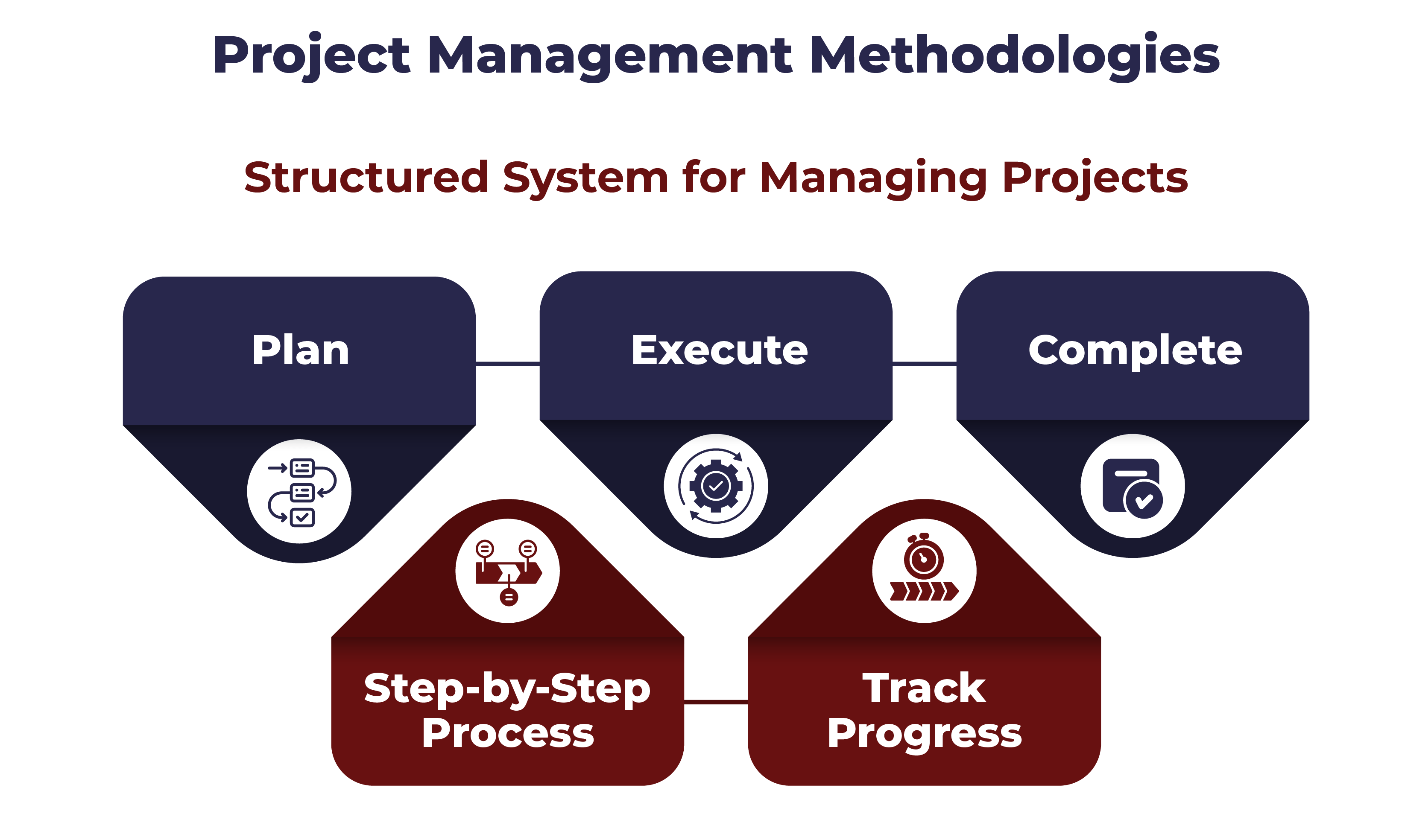
Project management methodologies are important because they provide a consistent, standardised way to manage projects. These methods improve team coordination and communication, ensuring everyone knows their roles and responsibilities.
The use of project management methodologies reduces risks and uncertainties by providing clear processes for handling challenges effectively.
Types of Project Management Methodologies
There are multiple project management methodologies designed for different types of projects based on their needs. The most used and popular project management methodologies are as follows:
- Waterfall
- Agile
- Scrum
- Kanban
- Lean
- PRINCE2
- Six Sigma
- Hybrid
Waterfall Methodology
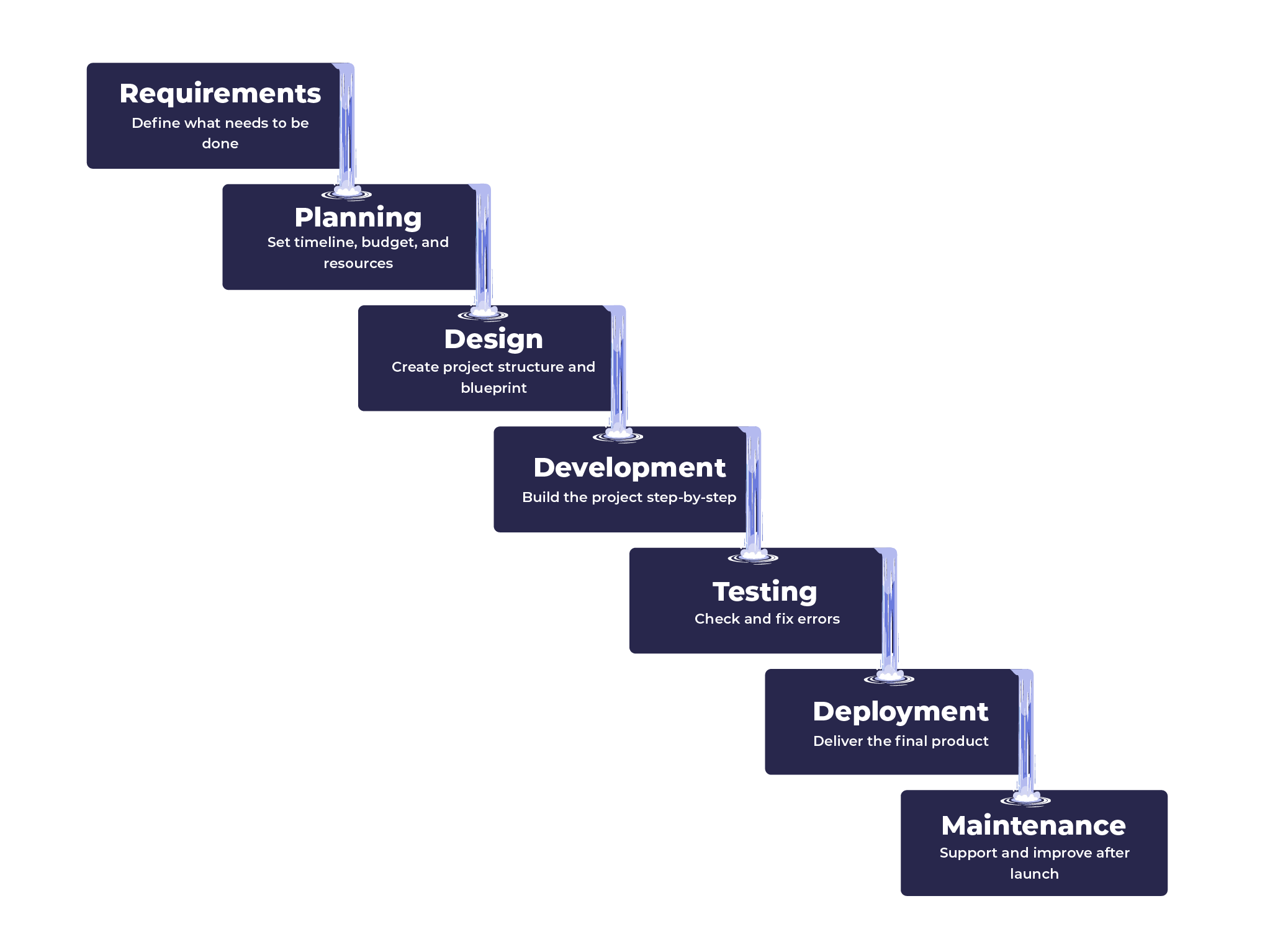
Waterfall is a linear and sequential project management methodology where each phase is completed before moving on to the next. It follows a clear structure, starting from requirements gathering to design, development, testing, and final delivery. This approach works best for projects with well-defined goals and minimal changes.
Waterfall is suitable for predictable projects where requirements are fixed from the beginning. Its main advantage is clarity and strong documentation, which makes progress easy to track.
Agile Methodology
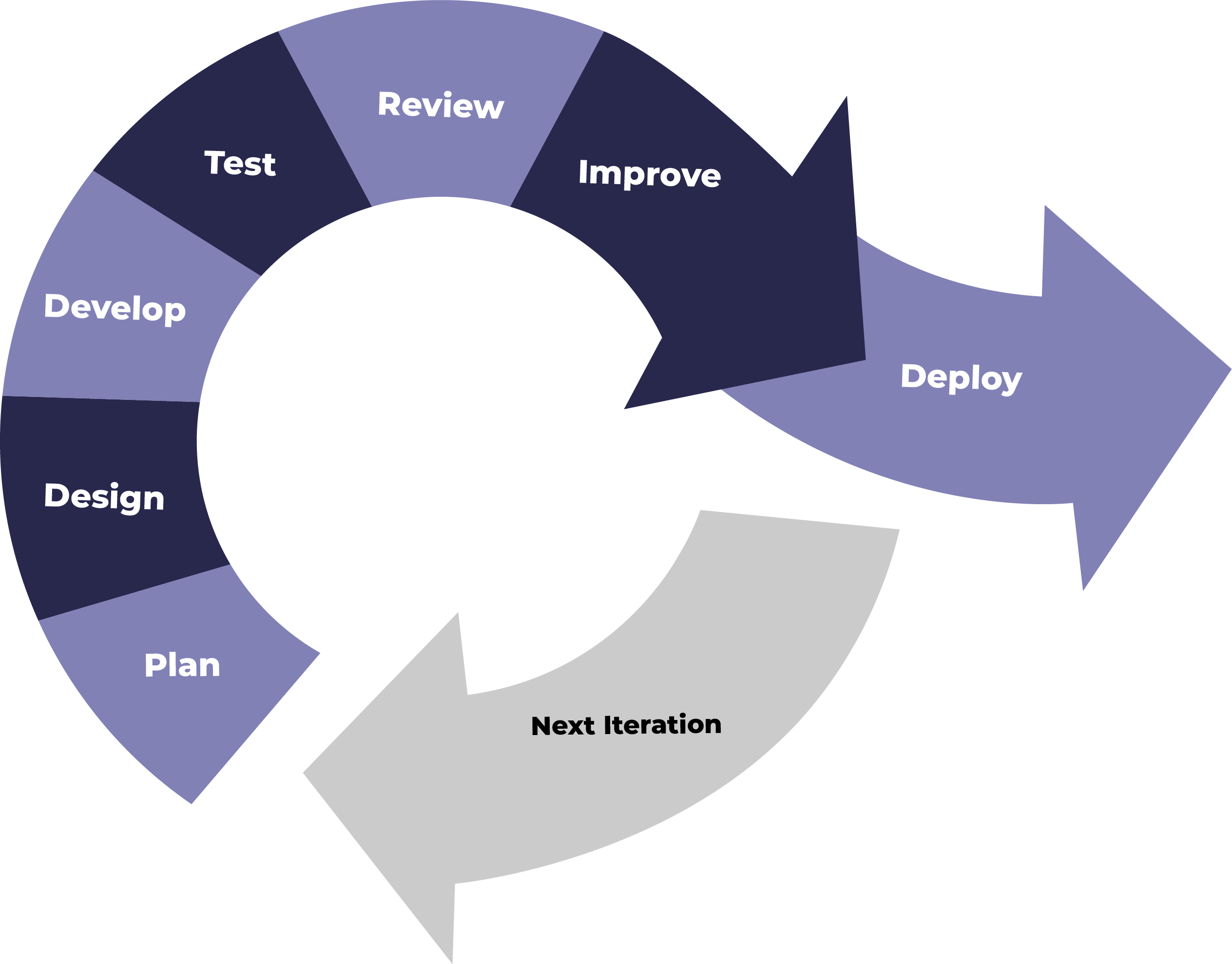
Agile is an iterative and flexible project management methodology that focuses on delivering work in small, manageable parts. It allows teams to adapt to changes and improve the project continuously through regular feedback and updates.
Agile methodology places strong emphasis on collaboration between team members and stakeholders. This is the reason it is widely used in IT projects. Agile helps deliver faster results and improves product quality through continuous improvement.
Scrum Framework
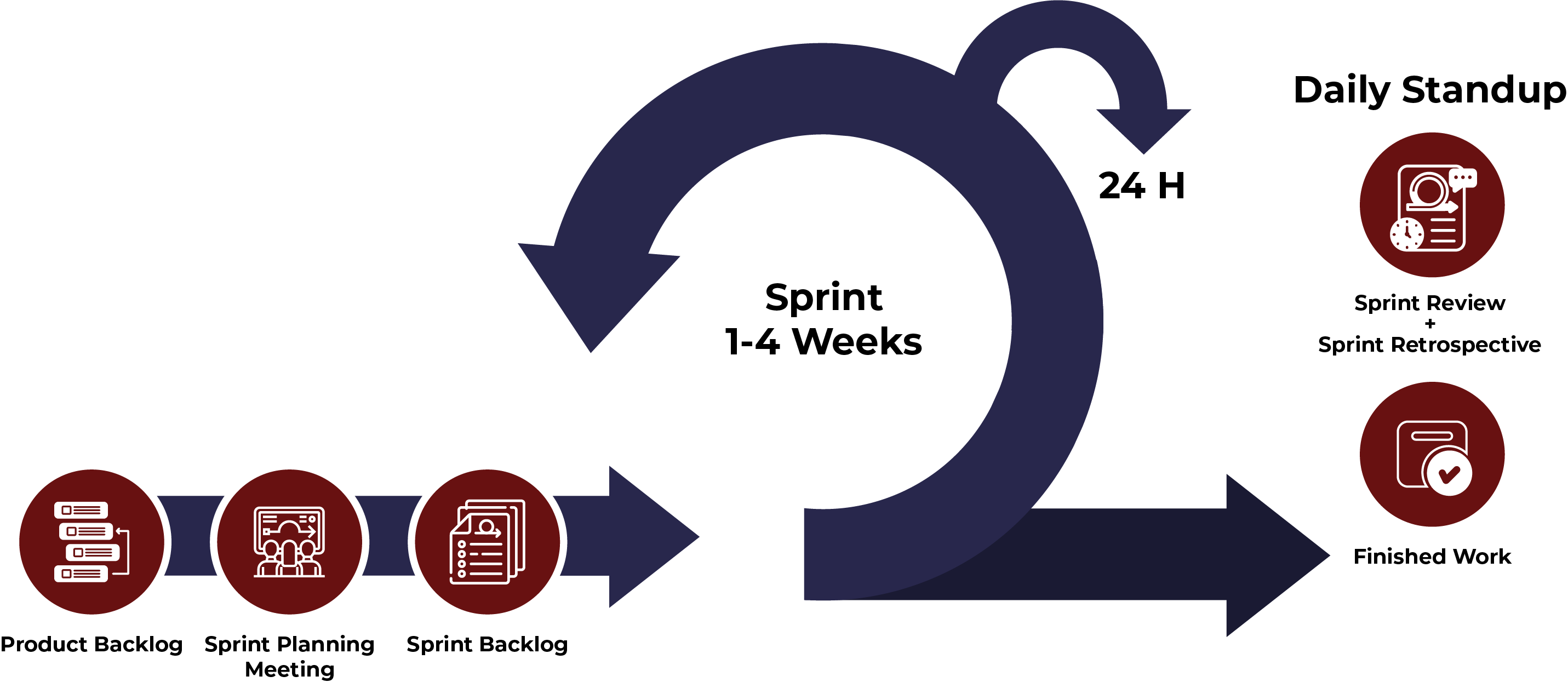
Scrum is a subset of Agile that focuses on delivering work in short, structured cycles called sprints. It provides a clear framework for managing projects in small, manageable parts, allowing teams to review progress regularly.
Scrum defines specific roles, such as
- Scrum Master, who manages the process.
- Product Owner, who sets priorities.
- Development Team, who completes the work.
Regular sprint reviews and meetings help maintain transparency and ensure continuous progress. This helps the team make improvements throughout the process.
Scrum is best used in projects that require flexibility, frequent updates, and close collaboration, especially in software development, where requirements may evolve over time.
Kanban Methodology
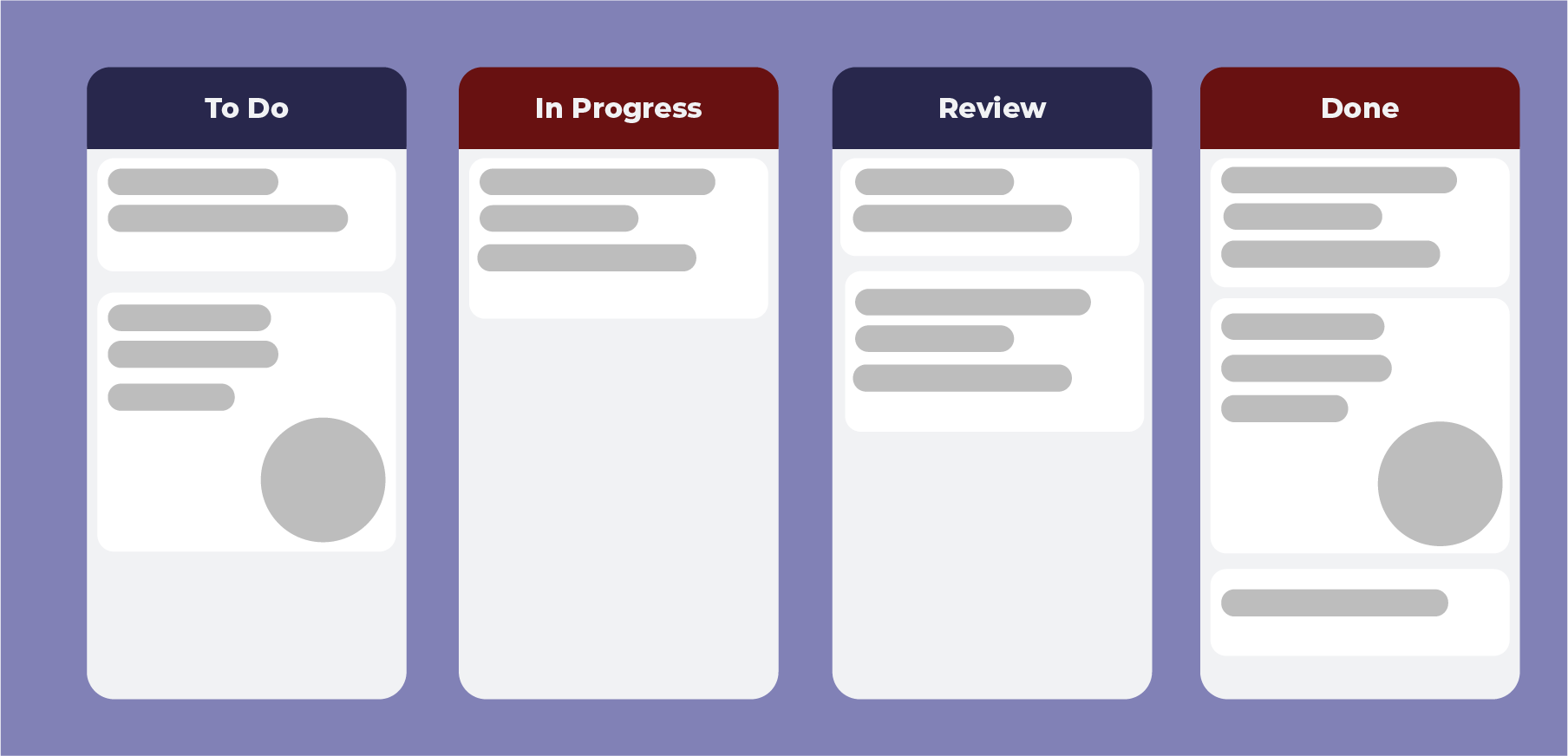
Kanban is a project management methodology that uses visual boards to manage workflow and track tasks. Work is organised into columns, such as "to do", "in progress", and "completed", making it easy for teams to see the status of tasks at any time.
It focuses on continuous delivery by allowing tasks to move smoothly. This method supports workflow without fixed timelines, which helps teams avoid overload and maintain efficiency.
Kanban project structure is ideal for support teams, maintenance tasks, and service-based operations where priorities can change frequently.
Lean Methodology
Lean is a project management methodology focused on improving efficiency by removing any steps that do not add value. It aims to create a smooth, streamlined workflow in which time, effort, and resources are used as effectively as possible. The main idea is to deliver more value to the customer while using fewer resources.
The Lean project management method helps teams increase productivity, reduce delays, and make better use of available resources without compromising quality.
Lean is widely used in manufacturing and business environments where efficiency and cost control are important. It helps organisations maintain high standards of quality while ensuring that projects are completed in the most effective and resource-efficient way.

PRINCE2 Methodology
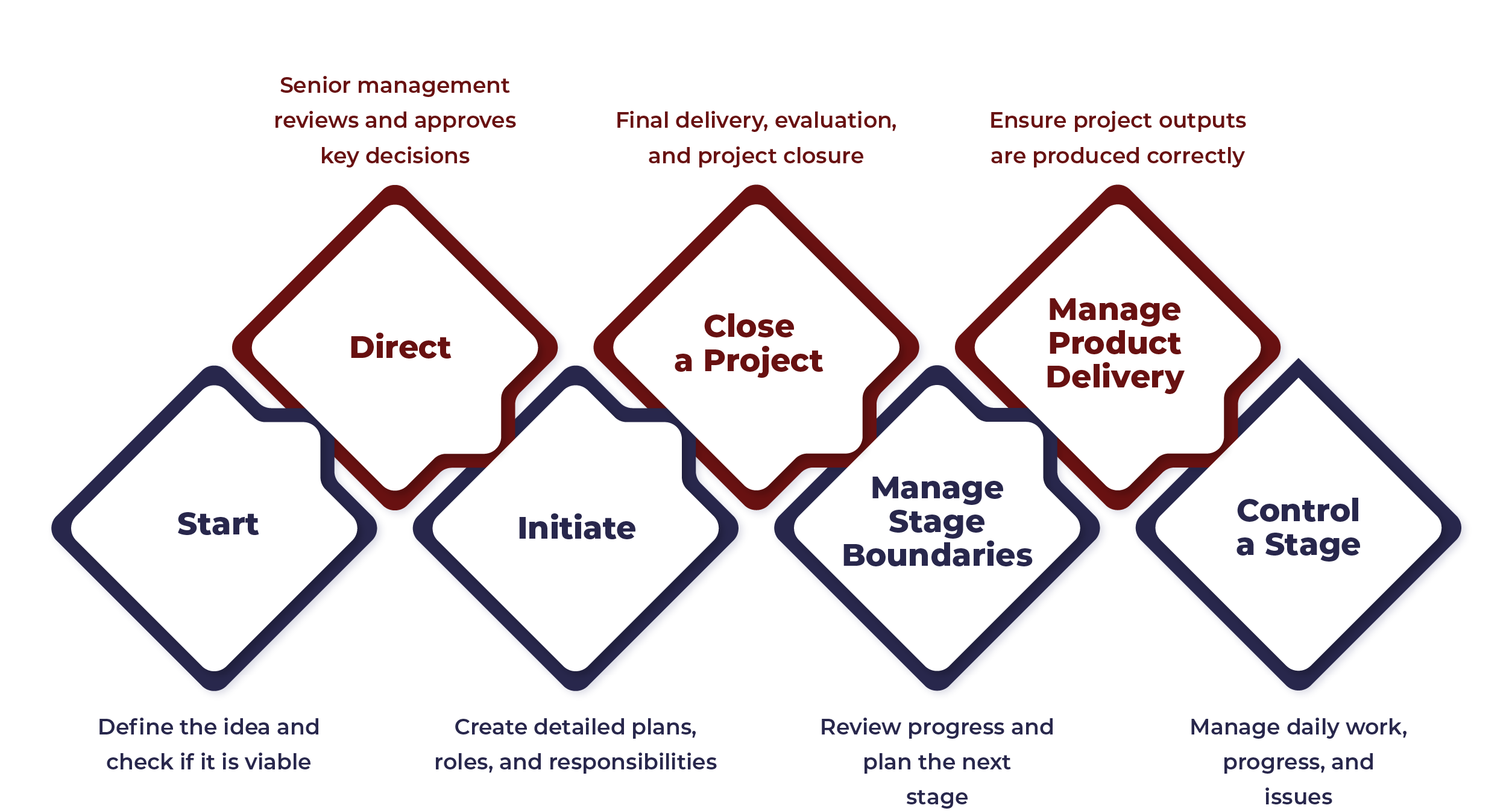
PRINCE2 is a structured and process-based project management methodology widely used across many industries in the UK. It provides a clear framework that divides projects into defined stages, ensuring that work is controlled and delivered in an organised way.
PRINCE2 project management methodology places a strong emphasis on clearly defined roles and responsibilities. It ensures that everyone involved in the project knows their duties and is accountable.
PRINCE2 also focuses heavily on documentation and governance, ensuring that all decisions, risks, and progress are properly recorded. Each stage is carefully planned and reviewed before moving forward. This structured approach improves transparency.
Six Sigma Method
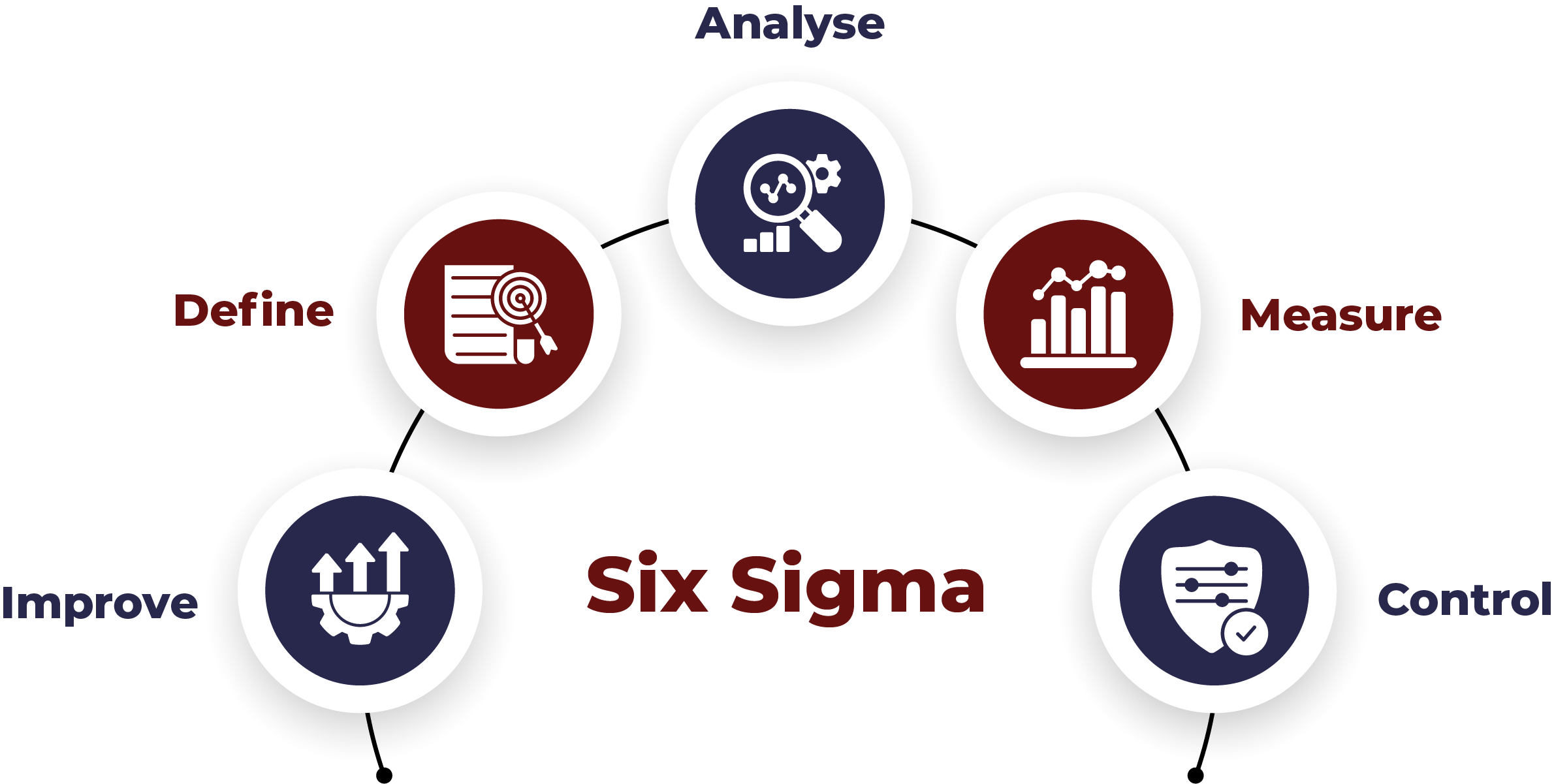
Six Sigma is a data-driven project management methodology focused on improving quality by identifying and reducing errors in processes. It uses measurable data and statistical analysis to understand problems and improve performance in a structured way.
The main goal of Six Sigma is to help organisations improve efficiency by removing causes of errors and strengthening overall process control. Six Sigma follows the DMAIC process, which stands for Define, Measure, Analyse, Improve, and Control. This step-by-step approach ensures that problems are clearly understood, solutions are effectively implemented, and improvements are maintained over time.
Hybrid Methodology
Hybrid methodology combines elements of both Agile and Waterfall to create a balanced approach to project management. It allows organisations to use the structured planning of Waterfall while also benefiting from the flexibility and adaptability of Agile.
Teams can plan key stages in advance while still making adjustments as the project progresses. Hybrid methodology is increasingly used in modern organisations because many projects today are complex and require a mix of stability and responsiveness.
Learn more: Why Project Management Certifications Are a Great Investment for Business Leaders?
How to Choose the Right Project Management Methodology?
Choosing the right project management methodology depends on the type of project, industry needs, team structure, and expected outcomes. Each methodology supports different styles of project planning and execution, so selecting the right one helps improve project delivery, reduce risks, and ensure better results.
Consider the Nature of the Project: If the project has clear requirements, a fixed scope, and predictable outcomes, structured methods such as the Waterfall methodology or PRINCE2 are more suitable. These follow a step-by-step project lifecycle, making them ideal for industries such as construction, engineering, and government projects, where control and documentation are important.
Flexibility and Change Requirements: If the project is fast-changing or requires continuous updates, then the Agile methodology, the Scrum framework, or the Kanban methodology is a better choice. These approaches support flexible workflow management, teamwork, and continuous improvement. Their flexibility makes them highly effective in IT and digital transformation projects.
Focus on Efficiency: For organisations aiming to improve efficiency and reduce waste, Lean project management and Six Sigma methodology are strong options. These methods use structured processes and data-driven decision-making to improve quality.
Hybrid Approach for Complex Projects: When a project requires both structure and flexibility, a hybrid approach to project management works best. It combines Agile and Waterfall principles to balance planning with adaptability, making it suitable for complex projects with changing requirements and multiple stakeholders.
Know more: How the OTHM Level 7 Diploma in Project Management Builds Leadership Skills?
Conclusion
Project management methodologies play an important role in delivering projects successfully by providing clear structure, better control, and improved workflow. Each methodology serves a specific purpose, and choosing the right one depends on the project's needs, complexity, and goals. Understanding these methodologies helps professionals and organisations improve efficiency, reduce risks, and achieve consistent results. Selecting the most suitable approach can make a significant difference in ensuring successful project delivery.